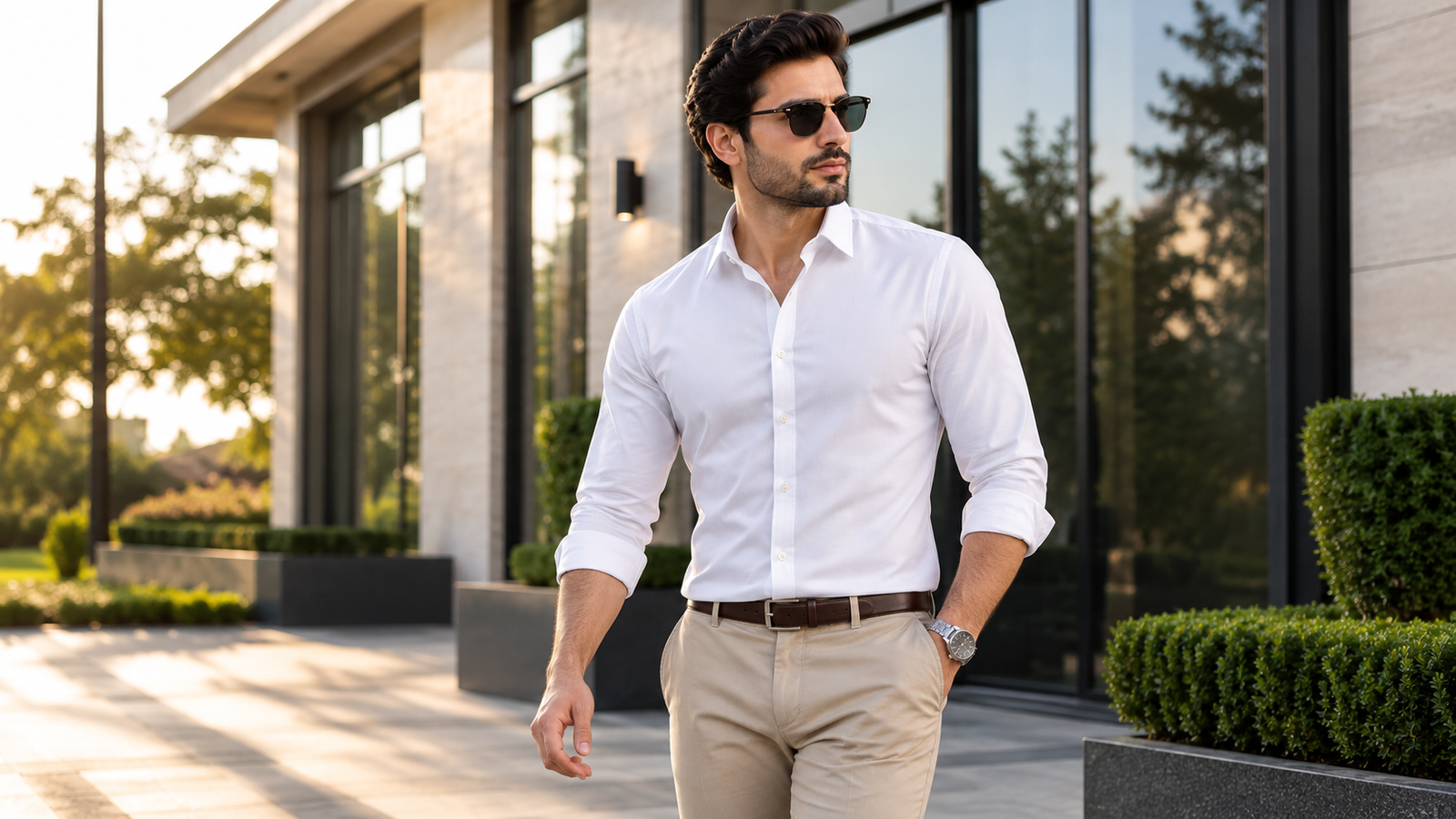
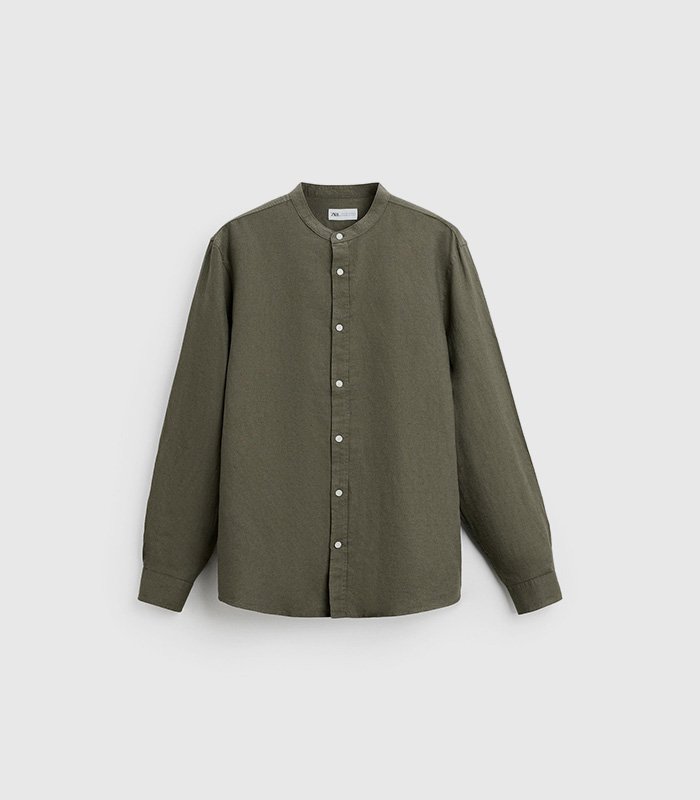
A great shirt is one of the most versatile pieces a man can own. It can carry an entire outfit on its own, anchor a full suit, or sit comfortably under a jumper on a cold morning. But with so many collar styles, fabrics, and fits available, choosing the right shirt often feels more complicated than it should be. This guide walks through everything you need to know to build a shirt collection that works for every part of your life — and you can explore the full range in our men’s shirts collection any time you’re ready to shop.
Why the Right Shirt Matters
A shirt sits closer to your face than almost any other garment, which means it has an outsized effect on how put-together you look. The wrong collar shape, an ill-fitting body, or a fabric that wrinkles the moment you sit down can undo an otherwise sharp outfit. On the other hand, a well-chosen shirt in the right fabric and fit can make even the simplest trousers-and-shoes combination look intentional. Understanding the basics of fit, fabric, and occasion is the fastest way to get consistently good results.
The Main Types of Men’s Shirts
Dress shirts are the most formal option, typically made from fine cotton poplin or twill, with a structured collar designed to sit neatly under a tie or blazer. These are essential for office environments, interviews, weddings, and other formal occasions.
Oxford shirts use a slightly heavier, textured weave that gives a more relaxed, slightly rugged look than a dress shirt. They work equally well tucked in for smart-casual settings or untucked with jeans for the weekend.
Casual button-downs are typically made in lighter cotton or linen blends, cut with a more relaxed fit and often featuring patterns like checks or stripes. These are ideal for everyday wear, from the office on dress-down days to dinner with friends.
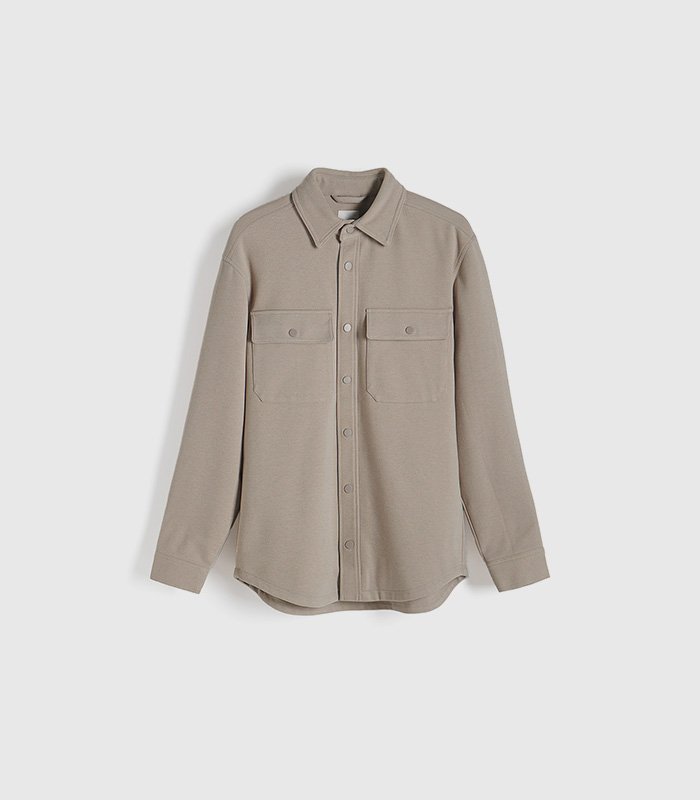
Flannel shirts bring warmth and texture, making them a cold-weather staple. Their heavier weight and soft brushed finish make them perfect for layering or wearing on their own during autumn and winter.
Linen shirts are the go-to choice for summer, prized for their breathability, though they wrinkle more easily than cotton. Many men embrace the relaxed, slightly rumpled look as part of the appeal.
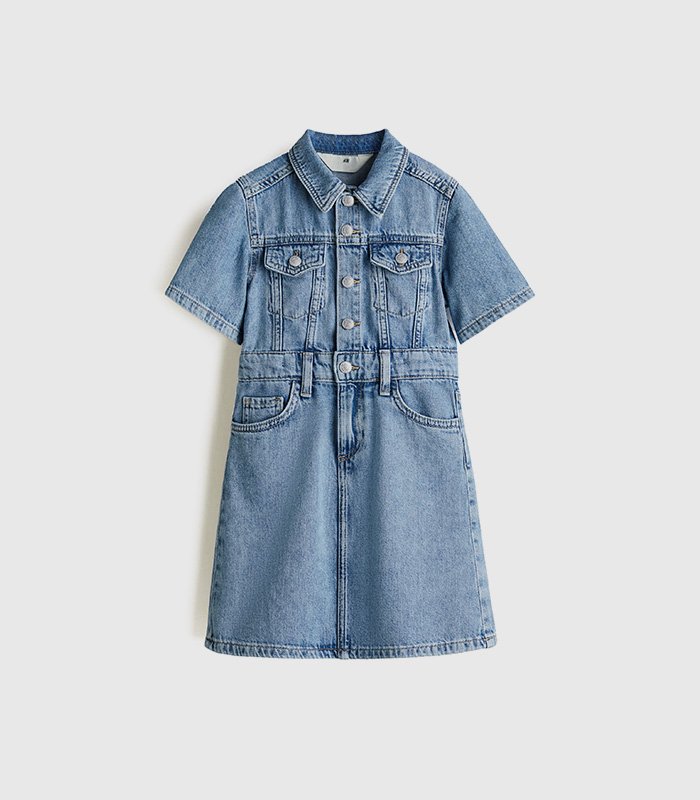
Denim shirts offer a rugged, versatile option that sits between casual and workwear, pairing well with chinos for a smart-casual look or other denim for a more relaxed style.
You’ll find most of these styles represented across our men’s shirts range, so it’s worth browsing by fabric and occasion rather than just colour.
Getting the Fit Right
Fit is where most shirt-buying mistakes happen. A few key measurements matter most:
Collar size should allow two fingers to fit comfortably between your neck and the collar when buttoned. Too tight and it looks constricting; too loose and the shirt loses its structure.
Shoulder seams should sit exactly at the edge of your shoulder, not drooping down your arm or pulling inward. This is one of the hardest things to adjust after purchase, so it’s worth prioritising at the point of buying.
Sleeve length should end right at the wrist bone, allowing about half an inch to show beyond a jacket cuff when worn with a blazer.
Body fit varies by preference. A slim fit tapers close to the body through the chest and waist, while a regular or classic fit offers more room for comfort and movement. Neither is inherently better — it depends on your build and the look you’re going for.
Choosing the Right Fabric
Cotton remains the most popular shirt fabric for good reason: it’s breathable, durable, and takes dye and pattern well. Within cotton, weave matters as much as fibre — poplin is smooth and crisp, twill has a subtle diagonal texture and drapes well, and oxford cloth is thicker and more casual.
Linen is unbeatable for hot weather breathability but creases easily, making it better suited to relaxed settings than the boardroom.
Cotton-blend fabrics, often mixed with a small percentage of elastane, add stretch and wrinkle resistance, which is especially useful for shirts that need to look sharp through a long workday.
Flannel and brushed cotton trap heat effectively, making them ideal for layering during colder months.
Styling Shirts for Different Occasions
Office and formal wear: Pair a crisp dress shirt or Oxford with tailored trousers or a suit, keeping colours in the navy, white, or light blue family for maximum versatility.
Smart-casual: A button-down in a subtle check or stripe works well with chinos, and can be dressed up further with a blazer or knitted layer.
Weekend casual: Linen or lightweight cotton shirts worn open over a plain t-shirt, paired with jeans, strike the right relaxed tone.
Cold weather: Flannel shirts layered under a jacket or worn alone with a beanie and boots suit the season perfectly.
A well-rounded wardrobe usually includes at least one shirt from each of these categories, which is easy to build out by browsing our men’s shirts collection by fabric and fit.
Caring for Your Shirts
- Check the care label before washing, since fabric blends vary in their heat tolerance
- Wash on a cool or warm cycle rather than hot, to protect colour and reduce shrinkage
- Iron while slightly damp for the crispest finish, working from the collar outward
- Hang immediately after washing to reduce creasing and cut down on ironing time
- Rotate your shirts rather than wearing the same one repeatedly, which extends the life of the fabric and collar
Building a Capsule Shirt Wardrobe
If you’re starting from scratch, a small, versatile collection goes further than a large, mismatched one. A practical starting point includes:
- A white dress shirt for formal occasions
- A light blue Oxford for smart-casual versatility
- One or two checked or striped button-downs for everyday wear
- A flannel shirt for colder months
- A linen shirt for summer
From there, you can expand based on your lifestyle, adding more colours, patterns, or formal pieces as needed.
Final Thoughts
The right shirt does more than cover you — it sets the tone for an entire outfit and adapts to nearly any setting when chosen well. Paying attention to fit, fabric, and occasion will save you from wardrobe mistakes and help you get far more use out of every shirt you own.
Ready to update your collection? Explore the full range of styles, fabrics, and fits in our men’s shirts category.
Looking for more style guides? Check out our article on men’s polo shirts for another versatile wardrobe essential.